Comment at the very bottom of the page! 😉
Show Notes
Many people with ME/CFS, Fibromyalgia, Long Covid, POTS and related chronic illnesses eventually hit a recovery plateau.
Sometimes physical treatments help for a while, then stop working.
Sometimes brain-training or nervous system approaches help initially, but progress stalls.
Sometimes people feel stuck despite “doing everything right.”
In this video, I explain why this often happens — and why recovery usually requires more than focusing on just one piece of the puzzle.
We explore:
• Why “mind-body” approaches can help some people but not others
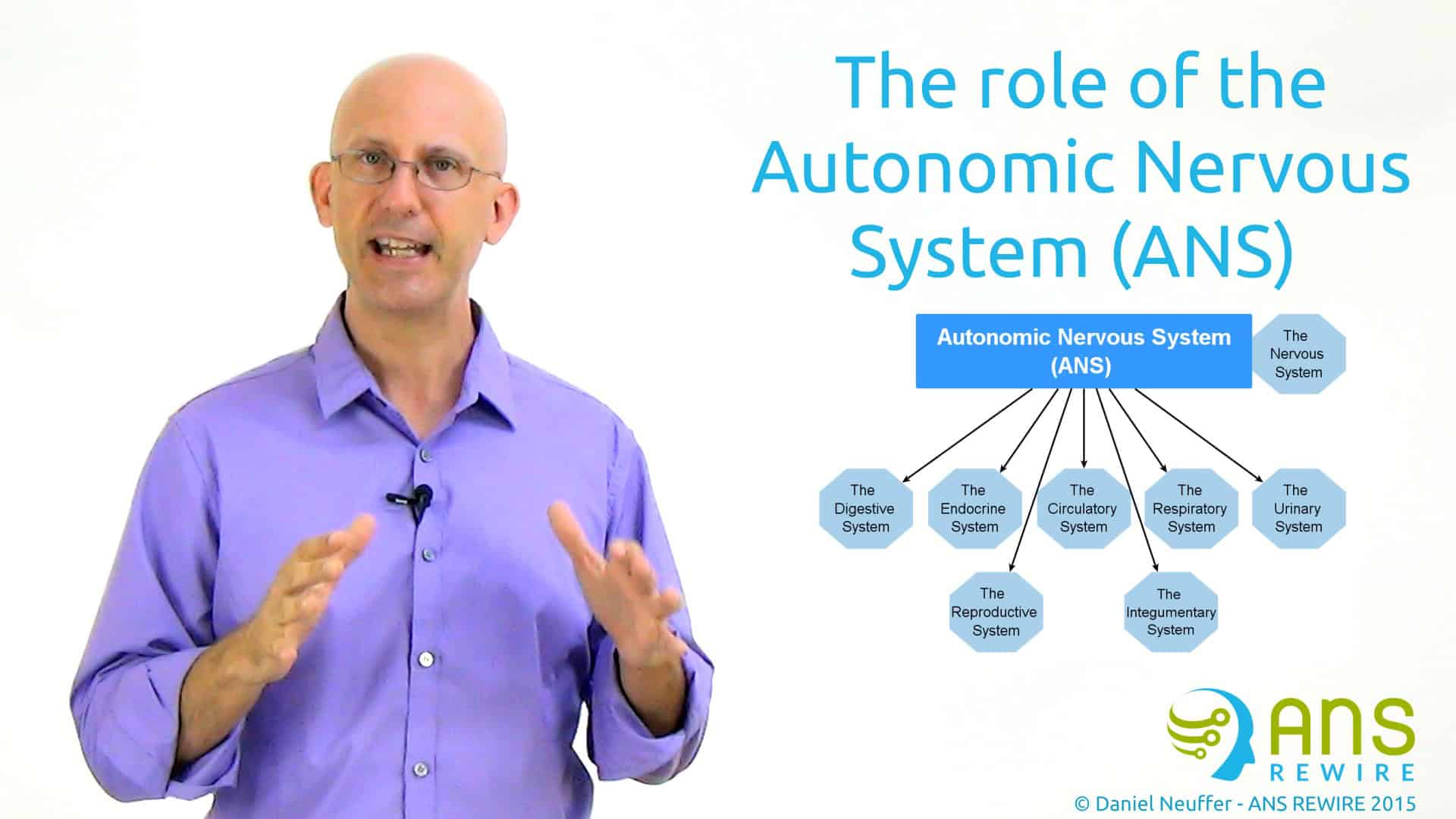
• How the autonomic nervous system (ANS) dysfunction affects recovery
• Why physical dysfunctions and nervous system dysfunction often reinforce each other
• Why treatments that previously failed may suddenly start working later
• The “two ladders” analogy for understanding recovery plateaus
• Why flexibility and adjusting your approach is often essential for long-term recovery progress
Timestamps
00:00 Recovery Plateau Question Intro
01:07 Mind Body Hype vs Reality
02:44 ANS Dysfunction Explained
04:35 Physical Treatments Overview
05:31 Combine Both Approaches
07:40 Two Ladders Recovery Model
09:11 When You Get Stuck in a Recovery Plateau
11:10 Timing Support Correctly
11:38 Reflect Comment and Wrap
Links
Here is a link to the ANS REWIRE program.
Transcript
Why Recovery Plateaus Happen in ME/CFS, Fibromyalgia, POTS & Long Covid
Here's the question: if you have post-viral fatigue syndrome, ME/CFS, long COVID, fibromyalgia, POTS, or similar illness, what do you do to recover? Many people discuss various physical treatments, which can offer some relief, but often lead to a real rollercoaster of results. After all, a one-size-fits-all cure remains elusive, doesn't it?
Others explore mind-body techniques, which might seem unusual or even mystical to some, especially when considering the physical nature of these illnesses. Again, the outcomes vary. So let's dive into how these strategies may fit into your recovery, why results can differ, and how to navigate these approaches effectively to enhance and accelerate your journey towards healing.
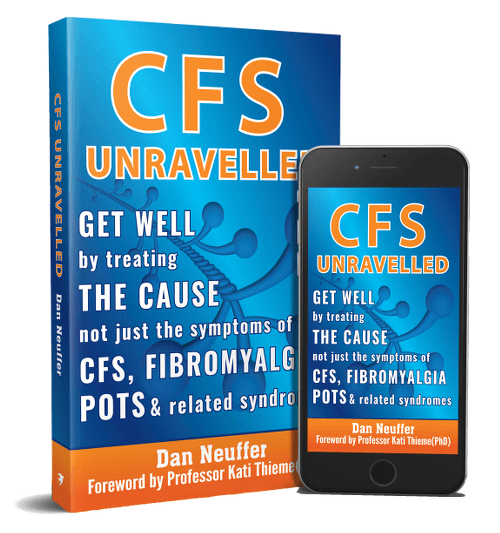
In case you're new to the channel, I'm Dan Neuffer. I'm the author of CFS Unravelled and the creator of the ANS REWIRE Recovery Program.
Mind-Body Recovery Approaches for CFS, Fibromyalgia, POTS & Long Covid
So let's start with talking about mind-body approaches for recovery. The term mind-body is broad, often applied to a wide array of health conditions. Now, I don't deny that some people have some amazing and unexplained results by doing mind-body approaches, whatever that means.
Often these kinds of things are described as unexplained, spontaneous recoveries, and such unexplained recoveries can seem quite extraordinary. But placing hopes on spontaneous recoveries, especially without any consistent results, well, I think that presents a significant gamble for those facing serious health conditions.
Maybe if there's no other treatments, that's okay. Maybe to do it in a conjunction with a treatment, okay? But if you get diagnosed with diabetes, heart disease, or some other serious illness, yeah, perhaps it makes sense to focus on treatments and strategies that we know work reliably. You know? Just saying.
Why Brain Training Helps Some People Recover — But Not Others
So why is there so much talk about mind-body approaches for fibromyalgia, ME/CFS, post-viral fatigue syndrome, POTS, long COVID, and these types of conditions? Well, because many people make recovery progress with these approaches.
But I think we need more context and perhaps a change in language.
The reason is that these illnesses are neurological illnesses, specifically dysfunction of the autonomic nervous system. Not solely neurological, which makes it complicated and why these illnesses have been somewhat mystified over the decades, because there are usually many more biological dysfunctions in the body that result from this dysfunction.
A key strategy to resolve this is to retrain the brain to behave more normally, just like people do when they've had a stroke or a car accident or something like that. They learn to talk, to walk. They do this by retraining their brain.
The difference here is that we're teaching the brain to behave more normally to stimulus, specifically stressors. Stressors include physical things like infections or exercise, as well as mental things like concentrating, doing work or study, and even emotional things. Interestingly, the brain's response to stressors, whether positive or negative, is remarkably similar.
So many people try these kinds of things with mind-body programs. Some do great, some do okay, and some don't benefit.
Understanding why is key, and something we feel is essential to understand, which is why we cover this in detail in the ANS REWIRE Recovery Program. We actually educate people on some of these details first up in the free introductory lessons.
Physical Treatments for ME/CFS, Fibromyalgia, POTS & Long Covid Recovery
Yet there is another perspective focused solely on physical treatments.
Because there are so many physical dysfunctions, the list for these is large. People work with doctors, integrative or functional medicine doctors, naturopaths, and other healthcare professionals.
They treat infections like SIBO or other gut issues, hormonal problems, metabolic problems like mitochondrial dysfunction, inflammation in some cases, intolerances — the list is seemingly endless.
Also, many people have mental health challenges in parallel to these conditions. These may be things like ADHD, depression, anxiety, or even other severe mental disorders.
The Real Breakthrough: Why Recovery Often Requires BOTH Approaches
Okay, now you have context.
So unlike both of these camps — the mind-body camp and the physical treatment camp — I am saying we need to do all these things at the same time.
Now whilst physical treatments don't tend to cure people, they can drastically reduce symptoms and help the body and nervous system recover.
This is important for recovery because doing so allows the brain-training to become more effective as it takes the pressure off the nervous system.
This is not just the case for physical treatments, but also treatments for mental health issues, which may be done in parallel.
But it also works the other way.
That's one reason why health professionals globally recommend our program. They observe that their patients often respond more favourably to treatments when complemented by our brain-training exercises and other education around physical approaches for recovery.
In fact, this is a key thing we do — encourage people to re-engage with failed physical treatments.
This is because as the ANS starts to normalise, the body is able to recover, and the very same treatments that previously seemed ineffective often become effective.
Recovery Plateau Breakthroughs: Why Treatments Sometimes Work Later
So people often ask me what they should do — brain-training, mental health treatment, or physical treatments?
And I say yes. Do them all.
That is because I often see that when people just focus on one, their recovery is limited. They hit this glass ceiling.
This is not just the case for their overall recovery, but also with what they are treating, including mental health issues.
Think of it like climbing a ladder. But rather than just one, you are climbing two — one for ANS normalisation, the other for physical and mental dysfunction.
Because being so ill exacerbates or causes mental health issues, recovering from the illness as a whole will make recovering from those mental health issues easier.
You are much less likely to be depressed or anxious if you are catching up with friends, jetskiing, working, and going on holidays than if you are lying on the couch all day feeling awful and unable to work or play.
Similarly, your gut issues, like intolerance to certain carbohydrates or your ability to digest proteins, are much less severe if your nervous system is regulating your gut normally.
Then treating any dysbiosis or infections becomes meaningful to restore gut health. Otherwise, the problems just return.
So as you normalise ANS function, you can more easily fix physical or mental health issues. One step up.
Then as you improve physical dysfunction and/or mental health issues, you can much more easily normalise ANS function. Another step up.
One supports the other.
What Holds Back Recovery in CFS, Fibromyalgia & Long Covid?
But if there is a big stressor, whether mental health or physical, not addressing this can really hold us back with ANS normalisation and brain-training.
This would also apply to other brain-training. For example, someone completely overcome by anxiety or depression might not turn up or engage fully with doing their rehab to learn to speak or walk.
But with ANS dysfunction, it's also physical things.
So if your blood sugar is totally out of control, or you have crazy low hormone levels or rampant infections, it's really hard for your nervous system to normalise because it's too busy trying to put these fires out in your body.
Sometimes these physical or mental issues need to be addressed and you need to make enough progress to be able to engage in brain-training effectively.
And vice versa — setting the foundations to reduce nervous system pressure and triggering of flare-ups, and making enough recovery progress, is sometimes what we need to sort these mental health or physical dysfunctions out with treatments.
How to Move Forward When Recovery Gets Stuck
My message is this: work on all fronts.
But if you are really stuck, then focusing on what's causing you to be stuck can be really essential.
If you look at this climbing two ladders metaphor, you can see you can't keep going with one leg on one ladder if the other leg is stuck.
This is part of the key foundational understanding of how these illnesses work and how we can build a comprehensive recovery approach and adjust it to our own situation — our current situation.
So you can see that we need to be flexible and continue to adjust our approach, even at the end.
I often see people remove supportive treatments too early or hang onto them too long.
We need to do these things at the right time to give the nervous system the chance to recover more fully. Too little or too much support can hinder this, depending on where you are.
Have You Experienced a Recovery Plateau or Breakthrough?
Have you found this in your own journey?
Perhaps you tried something and it didn't work, then suddenly some time later you made progress with the same treatment.
Or did you make progress with brain-training, then suddenly plateau?
Does the climbing of the two ladders analogy help you?
Please leave a comment to share your experience with others.
My message to you: it's okay. It's normal to get stuck at times with recovery.
The key is to be flexible and adjust your approach.
Keep going. Make every choice your best choice.
See you in the next video.